
Complex Management training in NeuchâtelWhat the research says: complex Management: what Neuchâtel brings specifically to the practice
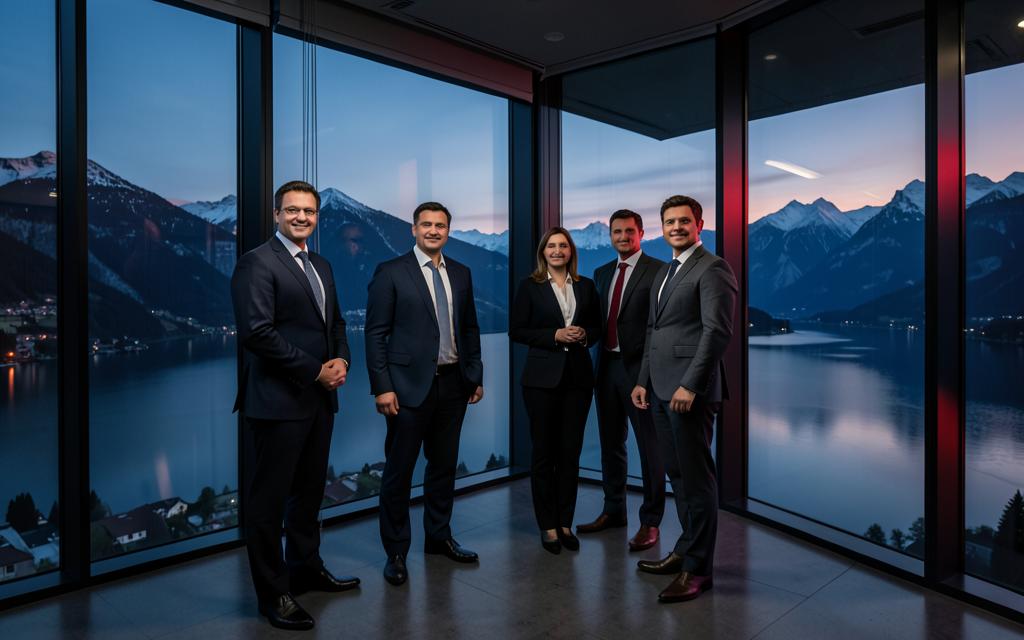
A widespread practice is not evidence of effectiveness. We need to return to the concepts, examine the available findings and state their limitations. Every Swiss city imprints its own mark on the way complex management is practised. Neuchâtel in the canton of Neuchâtel is no exception: its economic fabric, its work culture and its relationship to the long term shape a recognisable practice. What follows is not a cliché — it is a field observation.
The economic fabric of Neuchâtel in the canton of Neuchâtel
In Neuchâtel in the canton of Neuchâtel, organisations that engage us come mostly from four sectors: financial services, biotech/medtech, international NGOs and precision industry. Each imposes its own constraint on how complex management is practised. The common thread across the strongest studies is less a recipe than a requirement: define the expected behaviour and observe its development over time.
The local relationship to time
Contrary to the cliché, Neuchâtel in the canton of Neuchâtel doesn't decide more slowly than elsewhere. But decisions are built differently: more rounds, more written preparation, fewer oral arbitrations. A format that rewards methodical, patient profiles.

The place of the collective
Swiss-German culture leans toward structured consensus; Romand culture toward argued debate. In Neuchâtel in the canton of Neuchâtel the two dynamics cohabit, sometimes in the same room. The skilled leader switches between them depending on the group.
What transfers elsewhere
Three lessons from Neuchâtel in the canton of Neuchâtel travel anywhere: rigour of preparation, sobriety of executive language, respect for others' time. Three quiet fundamentals, ruthlessly effective. (our executive and employee training programmes)
What does not transfer
Two things remain specific to Neuchâtel in the canton of Neuchâtel: network density (everyone meets everyone) and the discretion required on sensitive subjects. Pasting them elsewhere feels artificial — they have to be felt to be practised.
The demand in one sentence
Science gives directions, not recipes. The rest — dosage, timing, courage — remains a craft. It is the one we practise.
Sources and research references
Salas et al. — The Science of Training and Development in Organizations · Blume et al. — Transfer of Training: A Meta-Analytic Review To go further: explore the Complex Management training in Neuchâtel in the canton of Neuchâtel, or browse our executive and employee training programmes in Switzerland.
In pictures: Complex Management in Neuchâtel

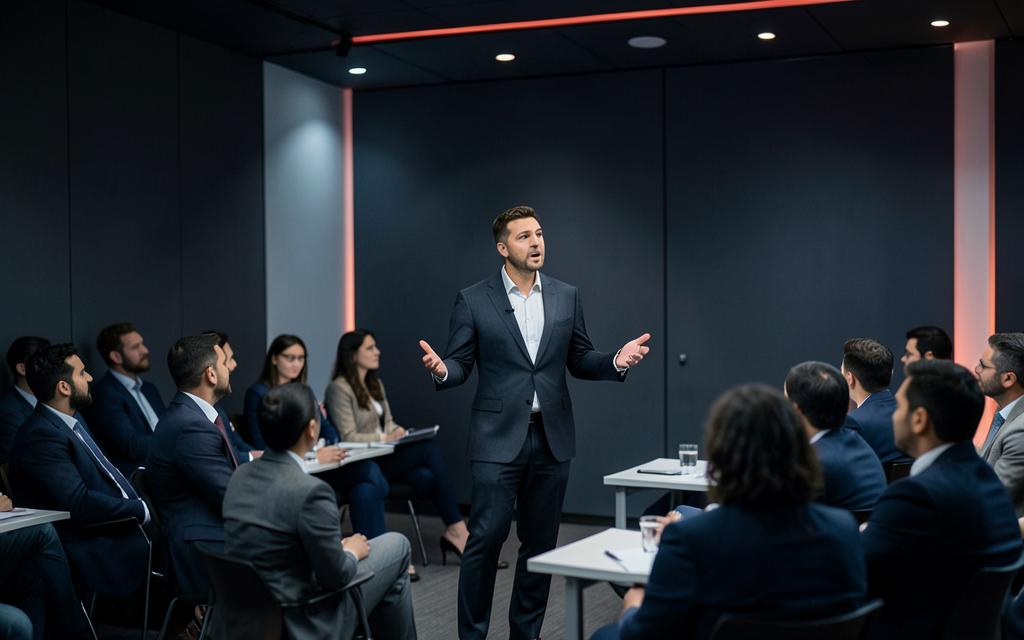

- complex management
- Neuchâtel
- perspective
- training neuchâtel