
Influence Management training in NeuchâtelManaging through influence in the canton of Neuchâtel: how can managers encourage expertise sharing without adding another obligation?

In the canton of Neuchâtel, microtechnology, watchmaking and precision microelectronics depend on scarce expertise within demanding industrial cycles, making the retention of technical talent an ongoing concern. For SHR’s « Manager par influence » programme, this raises a practical question: how can a specialist be encouraged to share experience without turning the request into an additional imposed workload?
1. What the literature establishes: the quality of motivation matters
Marylène Gagné and Edward L. Deci (2005, Journal of Organizational Behavior) offer a theoretical synthesis distinguishing autonomous motivation from motivation controlled by pressure or rewards. People can autonomously accept an activity because they recognise its value, even when it is not inherently enjoyable. Applied to expertise sharing, this framework suggests explaining the purpose and allowing some choice over how to contribute; it does not directly demonstrate the effectiveness of a mentoring arrangement.
2. A second perspective: rewards alone are not enough
Edward L. Deci, Richard Koestner and Richard M. Ryan (1999, Psychological Bulletin) show, in a meta-analysis of experiments, that certain expected tangible rewards can reduce intrinsic motivation, depending on the conditions under which they are awarded. Their findings distinguish these situations from positive feedback, which can support interest in an activity. This suggests a need to distinguish informative recognition of a contribution from an incentive experienced as a means of control.

3. The hasty conclusion: offering choice would be sufficient
One might conclude that a specialist will willingly share expertise as soon as they can choose the format. This overlooks the fact that freedom over the method does not compensate for a full schedule or unchanged production responsibilities. Influencing without hierarchical authority also means helping to negotiate protected time with the relevant manager, rather than presenting extra work as a rewarding opportunity. (our executive and employee training programmes)
4. The limits: motivation is not the same as effective transfer
The synthesis on work motivation is not an evaluation of SHR training, and the rewards meta-analysis does not specifically examine precision occupations in Neuchâtel. These studies therefore cannot predict a local effect on retention or mastery of a process. In practice, counting knowledge-sharing sessions or collecting satisfaction ratings is also insufficient to establish whether a colleague can actually use the expertise.
5. A practical check in Neuchâtel
In a hypothetical workshop in Neuchâtel, a coordinator with no line-management authority could invite a specialist to share how she diagnoses a drift in machine settings, letting her select a suitable case and securing her manager’s approval for protected time. Using an authorised test setup, the colleague would then explain the evidence observed, the reasoning followed and the limits requiring the specialist’s intervention, against criteria agreed before the exercise. A record would document planned and actual time, alongside the criteria demonstrated without assistance: a concrete check on workload and learning that could be used in the « Manager par influence » programme, without claiming that it alone measures retention. To go further: explore the Influence Management training in Neuchâtel in the canton of Neuchâtel, or browse our executive and employee training programmes in Switzerland.
In pictures: Influence Management in Neuchâtel
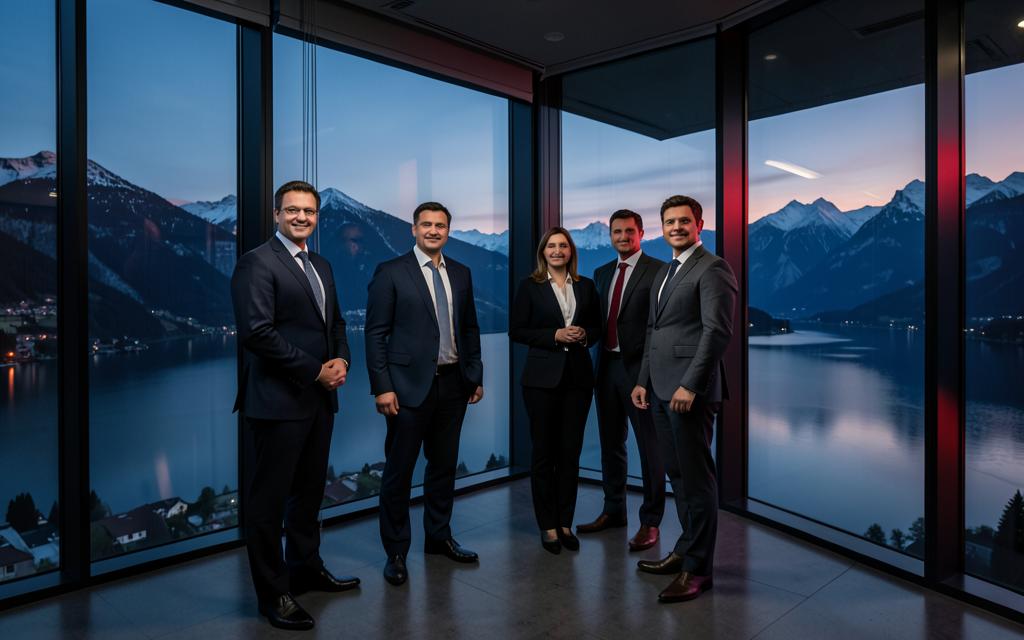

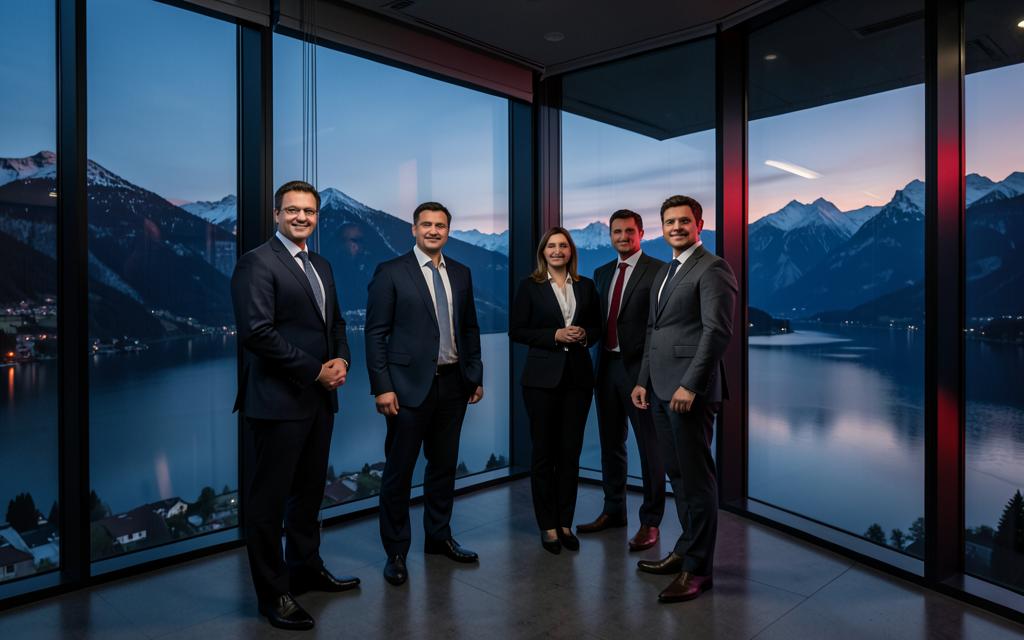
- influence management
- Neuchâtel
- research
- training neuchâtel